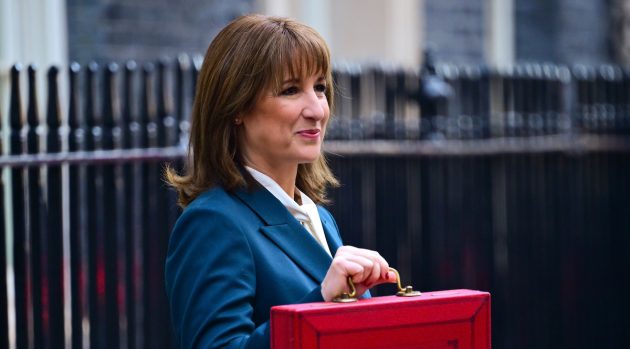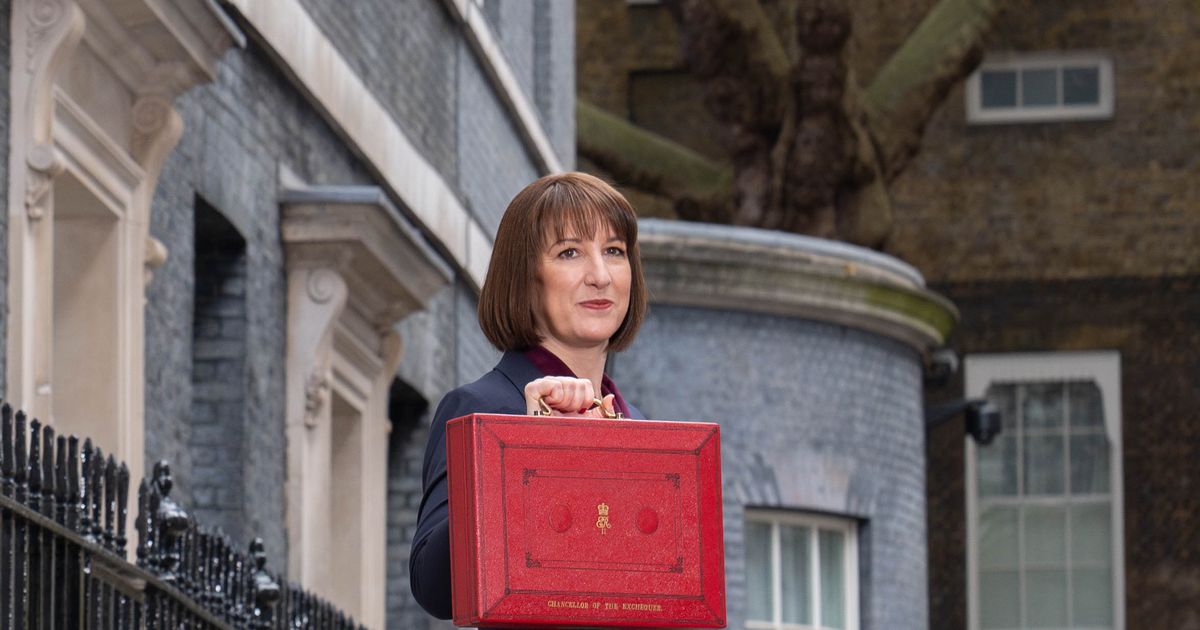
The UK Autumn Budget 2024 has been presented by the UK’s first female Chancellor, Rachel Reeves. This is also the first Budget delivered by a Labour Government since March 2010, and it was widely anticipated to focus heavily on investment with targeted tax adjustments.
At Imperial Chartered, we have outlined key areas for our clients, highlighting how these may impact you as well as noting areas of speculation that were unaffected. While this Budget introduces some changes for clients, overall, we feel it falls far short of the ‘tax raid’ the media predicted months ago.
Our primary takeaway is that it isn’t as severe as it could have been.
This newsletter highlights key takeaways, and we will follow up in the coming weeks with more detailed insights on specific announcements.
Main Tax Increases
1. CGT – Capital Gains Tax
Capital Gains Tax has increased from 10% to 18% for basic rate taxpayers, and from 18% to 24% for higher rate taxpayers. The capital gains tax allowance remains at £3,000. This may impact clients with General Investment Accounts, although tax would only be due on gains exceeding the £3,000 annual allowance and only when investments are sold.
Reeves has confirmed the tax-free allowance will remain unchanged, standing at £3,000 and £1,500 for trusts. Gains on shares held in SIPPs and ISAs are exempt from this increase. A rise in CGT has long been anticipated, as the tax was seen as an easy target following Labour’s decision not to alter income tax, national insurance, or VAT.
We can discuss ways to manage CGT for clients with General Investment Accounts during annual reviews. Although CGT has increased, the rise isn’t as drastic as expected. There was concern it would be aligned with income tax, which would have meant significantly higher rates, but this alignment did not occur.
2. CGT – On Second Homes
The Business Asset Disposal Relief (BADR) and Investors’ Relief (IR) rate will increase to 14% from 6 April 2025 and to 18% from 6 April 2026. Under the current regime, higher rate taxpayers pay 24% on gains from selling a second property.
3. Inheritance Tax
The significant change here is that defined contribution pensions will become subject to inheritance tax from April 2027. This could impact the financial planning strategy for some clients; however, it is essential not to make immediate changes as there are multiple factors to consider. This can be reviewed during client meetings.
From 6 April 2027, when a pension scheme member dies with unused funds or without having accessed their full pension entitlements, those unused funds and death benefits will be considered part of the estate and may be liable to inheritance tax, according to the consultation document.
The Treasury’s consultation states these changes will apply equally to DB and DC schemes.
4. Income Tax
Income tax bands remain frozen until 2028/29, after which they will increase in line with inflation.
5. Non-Domicile
Reeves confirms plans to abolish the non-dom regime, with the government pledging to replace it with a residence-based system. The non-dom regime was already set for reform following the Conservative government’s 2024 Spring Budget. Under FIG, individuals who have not been UK tax residents for 10 tax years will not pay tax on FIG arising in the first four tax years after becoming UK residents.
6. Stamp Duty Land Tax (SDLT)
This was implemented from 31 October 2024 with immediate effect. Chancellor Rachel Reeves announced an increase in stamp duty for second home purchases, with the tax rising from 3% to 5%. Furthermore, the single SDLT rate for corporate bodies purchasing dwellings over £500,000 will increase from 15% to 17%.
Good News – What Isn’t Changing
1. Pension Contribution Tax Relief
After much speculation, tax relief for both Defined Contribution and Defined Benefit schemes remains unchanged for all taxpayers, including those in higher and additional rate brackets. Pension contributions continue to be an attractive tax-efficient option for future planning.
2. Pension Tax-Free Cash
Tax-free cash for both Defined Contributions and Defined Benefit schemes remains unaffected, and there are no plans to limit the amount that can be withdrawn tax-free.
3. ISAs
ISA thresholds remain frozen until 2030, with the limits set at £20,000 for the standard ISA, £4,000 for the Lifetime ISA, and £9,000 for the Junior ISA and Child Trust Funds.
4. Corporation Tax
The headline rate of Corporation Tax is capped at 25% for the duration of this Parliament, which remains the lowest in the G7. The small profits rate and marginal relief will also stay at current rates and thresholds.
Other Tax Rises
1. National Insurance Contributions
From April, companies will be required to pay National Insurance on employees’ earnings above £5,000, down from the current £9,100, with the rate rising from 13.8% to 15%.
2. Business Property Relief
AIM shares will no longer fully benefit from business property relief. Previously, AIM shares held for over two years would fall outside an individual’s estate. Now, this relief has been reduced by 50%, allowing for partial inheritance tax savings.
3. VAT on School Fees
Effective from January 2025, VAT will be applied to all private school fees.