There was significant negative media speculation leading up to this year’s Autumn Budget, understandably creating concern among many clients. As always, our message was to remain calm, avoid emotional decision-making, and stay aligned to long-term strategy. In the end, the Budget delivered fewer surprises than expected — and overall, the outcome was relatively muted.
Below is a clear summary of the key measures announced and our view on what they mean for your financial planning.
Headline Personal Tax Changes
Several tax adjustments will directly impact wealth planning:
Higher taxes on property, dividends & savings
- Dividend tax +2p from April 2026
- Savings income tax +2p across all bands from April 2027
- New separate property tax bands: 22%, 42%, 47% from April 2027
- Personal tax allowance freezes extended — more individuals will be drawn into higher-rate tax bands over time
ISA Changes
- ISA annual allowance remains £20,000
- Cash ISA limit for under-65s cut to £12,000 from 2027
- Reform to encourage more investment-focused allocations
Inheritance Tax & Wealth Transfer
- IHT nil-rate band frozen until 2031
- Employee Ownership Trust CGT relief reduced from 100% → 50%
- From 2027, pensions used as inheritance tools may come into scope (unspent pension pots)
We have already been working with clients to address potential impacts of these changes and will continue to do so through 2026 reviews.
Political & Market Reactions
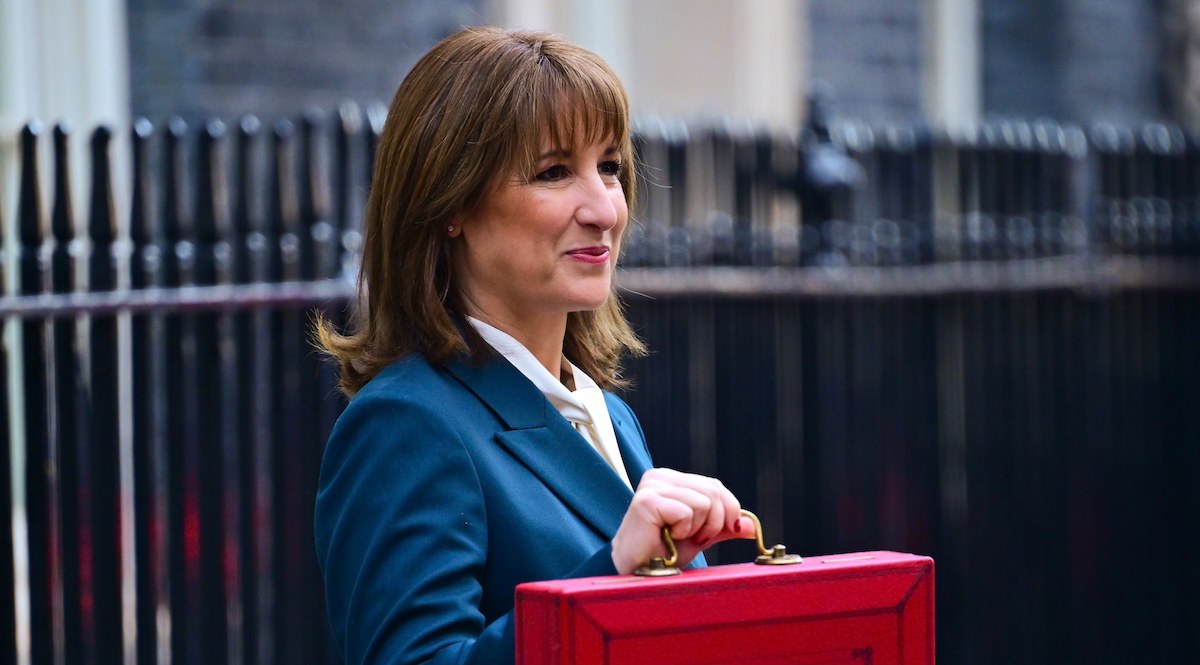
Rachel Reeves presented a Budget focused on “fairness” and maintaining fiscal stability. Key themes included:
- Support for lower-income households (benefits uplift, removal of two-child cap)
- Increased National Living Wage
- Measures intended to limit the cost-of-living impact (NHS funding, transport freezes, energy levy reductions)
However, much of the revenue is generated through stealth taxation, primarily:
- Prolonged income tax threshold freezes
- New levies on higher-value property and EV road usage
- Targeted duties across several consumer sectors
Financial markets will be watching closely to see whether these measures genuinely reduce fiscal risk or simply delay future challenges.
Government Spending & Economic Outlook
Key economic indicators:
- Debt forecast to fall from 83% → 82.2% of GDP by 2030/31
- Borrowing expected to decline yearly
- Fiscal rules met one year earlier than planned
- Growth upgraded to 1.5% (from 1%)
- Inflation forecast to fall further next year
Funding priorities include: regional investment, apprenticeships, state pensions (triple lock maintained), NHS technology upgrades, and targeted defence spending.
What Clients Should Consider Now
While the Budget lacked dramatic tax rises, the cumulative effect of freezes and incremental changes will be felt over time — particularly by investors, landlords, and high-earning professionals.