The recent escalation of conflict in the Middle East, most notably involving Iran has triggered increased volatility across global financial markets.
Given the heightened media attention and the understandable concern this may create, we wanted to provide a clear, measured update on what has happened, why markets are reacting as they are, and how your portfolios are positioned to navigate this period.
What’s Happening in Global Markets?
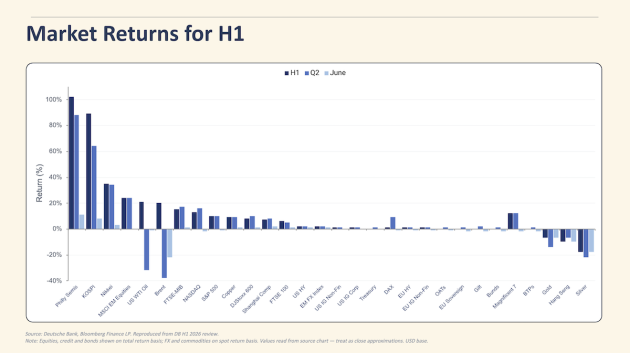
Over the past week, the conflict in the region has fed directly into global markets through a sharp rise in oil prices. Markets initially assumed the disruption would be short lived, but expectations have now shifted toward the possibility of a conflict lasting four to six weeks rather than just days.
This reassessment is what has pushed oil higher—from around $70 per barrel at the end of February to over $100 per barrel in recent days. Higher oil prices have a ripple effect:
- They raise inflation expectations, putting pressure on bond markets.
- They affect profit growth, which can temporarily weigh on equities.
As a result, both equities and bonds have sold off—but importantly, from very elevated levels reached after strong performance earlier in the year.
Are the Market Moves Normal?
Despite alarming headlines, the scale of recent market declines is consistent with a normal correction. Markets had rallied strongly from summer 2025 through February 2026, making some form of pullback both expected and healthy.
In context:
- Recent declines primarily reflect a give back of February’s gains
- Year to date, most diversified portfolios remain positive
There is nothing unusual or structurally concerning in how markets have behaved.
How Portfolios Are Performing
Even after the recent volatility:
- Portfolios remain in positive territory year to date
- The impact of the crisis has only offset February’s strong gains, not erased the overall progress made this year
This reflects the benefit of disciplined diversification and prudent risk management, which is central to the Imperial Chartered Investment committee selection when we recommend the fund managers we do.
How This Compares to Past Crises
Some clients have asked whether this feels like:
- the Ukraine invasion, or
- the global tariff-driven sell offs experienced last year.
The answer is: not at all.
During those periods:
- Interest rates were at historic lows and had to adjust dramatically
- The global economy was still disrupted post COVID
- Volatility was significantly higher and more abrupt
In contrast, today:
- Interest rates are broadly “normalised”
- Corporate profit expectations are stable
- The global economy is on much firmer footing
This means markets are far more capable of absorbing a temporary oil related shock.
Short-term Shock or Long-term Problem?
The current central expectation in global investment circles is that this is likely to be a short to medium term shock rather than a long-lasting structural issue.
There are practical limits on how long the disruption can persist:
- Military resources and capability
- Economic pressure on Iran and its trading partners
- The global strategic interest in maintaining the flow of oil
- The ability for major powers to force diplomatic pressure
Once shipping lanes can operate at an acceptable level of risk, oil prices should begin to stabilise—likely at a level higher than before the crisis, but not at current extremes.
Our Investment Approach in This Environment
We continue to prioritise:
- Stability and simplicity in portfolio construction and fund manager recommendation
- High-quality, highly liquid assets
- Robust diversification to manage shocks
- Opportunistic adjustments, where market dislocations create long-term value
This aligns with our long-standing philosophy and remains the most effective way to protect capital while positioning for future growth.
Our investment committee will continue to monitor developments closely. Should the situation materially change, adjustments will be made, and updates will be provided to you promptly.
Conclusion
While global headlines are unsettling, the underlying market behaviour remains rational and in line with typical geopolitical corrections. Your portfolios continue to perform within expected ranges and have maintained positive progress for the year to date.
As always, our focus is on disciplined management, thoughtful risk control, and identifying opportunities amid volatility.
We will share further updates as needed, including the full output of our upcoming asset allocation committee.